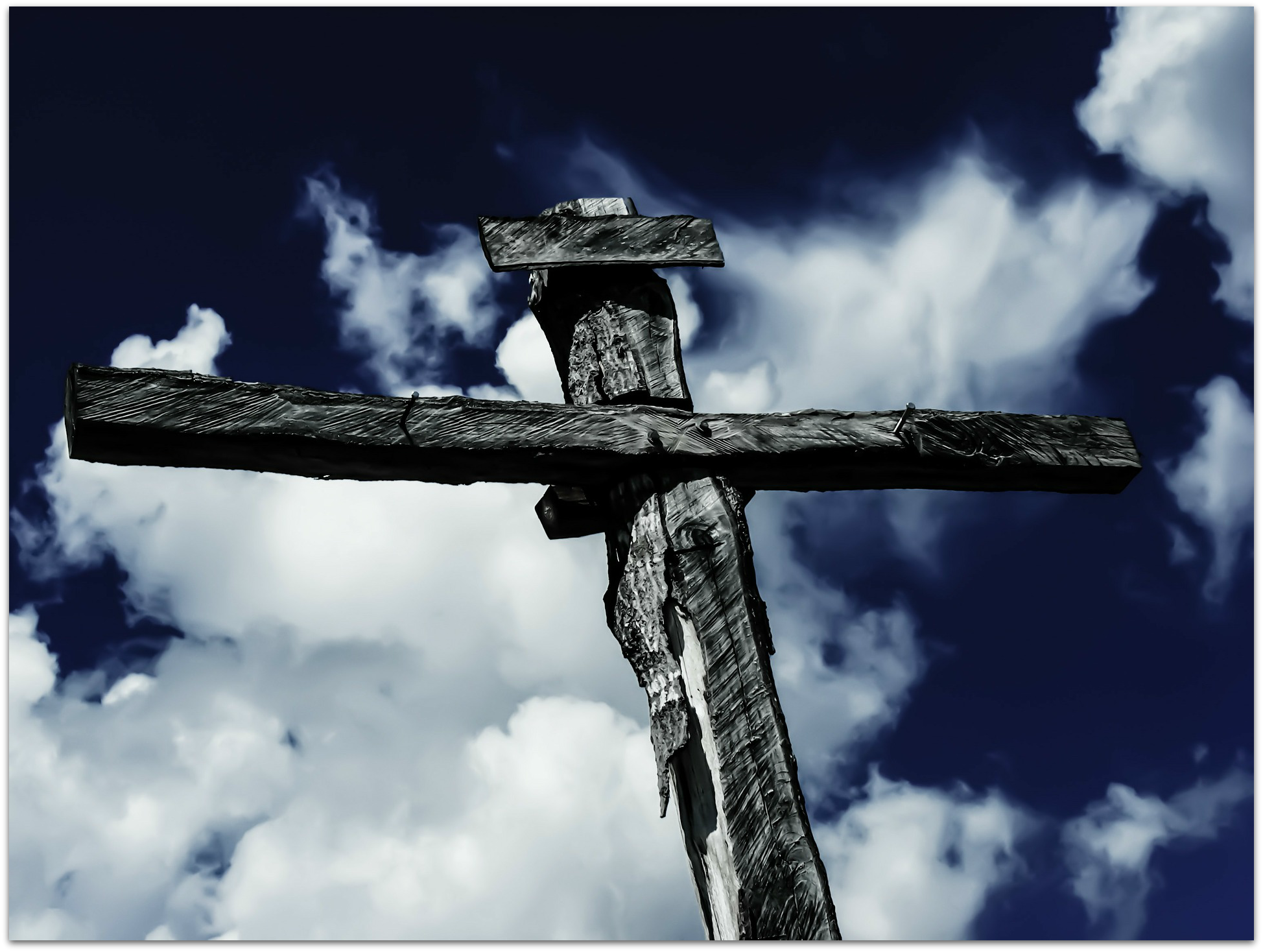
 [sgmb id=”1″]To delve into the context of Jesus’ Sermon on the Mount, it is important to consider the historical and theological ideas of the Jews listening to Him. Their expectations relied on the Messianic prophecies of the Old Testament. The Holy Spirit had a two-prong purpose for these prophecies, which Peter points out. They foretold of the coming of this unsurpassed prophet and promised the coming of the greatest age of the world:
“Of which salvation the prophets have enquired and searched diligently, who prophesied of the grace that should come unto you: Searching what, or what manner of time the Spirit of Christ which was in them did signify, when it testified beforehand the sufferings of Christ, and the glory that should follow (1 Peter 1:10-11).”
The Messianic prophecies testified of the sufferings of Messiah and of a glorious age to follow. These prophecies bewildered the Jewish readers as to what could be meant by the idea of a suffering, yet triumphant, Messiah. Isaiah had foretold in Isaiah 53 that He would be despised and rejected (vs 3), afflicted of men (vs 4), wounded for our transgressions (vs 5), oppressed (vs 7), and stricken (vs 8). Daniel had foretold that He would be cut off (Daniel 9:26). The 22nd Psalm had foretold that He would be poured out like water (vs 14), having his hands and feet pierced (vs 16), and having His garments parted (vs 18). Zechariah added that He would be wounded in the house of His friends (13:6), and told of the smiting of God’s Shepherd and the scattering of His flock (13:7). Zechariah further foretold that He would be sold for 30 pieces of silver (11:12) and that the mourning for Him would be like the weeping for Josiah in the valley of Megiddo (12:11-14), a shadow cast by the death of the last great righteous king of Israel as they mourned the righteous crown prince of the Davidic line before the Babylonian destruction. Every sacrifice for sin and uncleanness found in the book of Leviticus foreshadowed the horrific coming sacrifice of the nation’s Messianic Redeemer. The blood poured out of every animal for the transgressions of the nation founds its counterpart in the suffering Messiah, who would be poured out like water (Psalm 22:14), and his cutting off by wounding (Isaiah 53:5; Daniel 9:26).
While the suffering of their mysterious Messiah certainly filled Israel’s hearts with wonder and bewilderment, it was the age of glory to follow which filled them with hope and longing.
Read about “The Glory that Should Follow.”
See the first post in the series, “Knowing the Context of the Sermon on the Mount.”
Read the 5-part series: The Context of the Sermon on the Mount.
[sgmb id=1]