[sgmb id=”1″]When John the Baptist preached repentance to the Jews, telling them “for the kingdom of heaven is at hand,” this announcement heralded the incipient rise of the Messianic kingdom in the context of the Messianic prophetic word (Isaiah 40). It would have electrified the nation of Israel. We are told, “Then went out to him Jerusalem, and all Judaea, and all the region round about Jordan, And were baptized of him in Jordan, confessing their sins” (Matthew 3:5-6). That is not a filler statement in the text. This Messianic announcement was heard like the trumpeting of a final, glorious victory on a nation that had been waiting for over a millennium for the rise of the great age of the Messianic kingdom; and, with it, Israel’s fond expectation of world domination rose to the forefront.
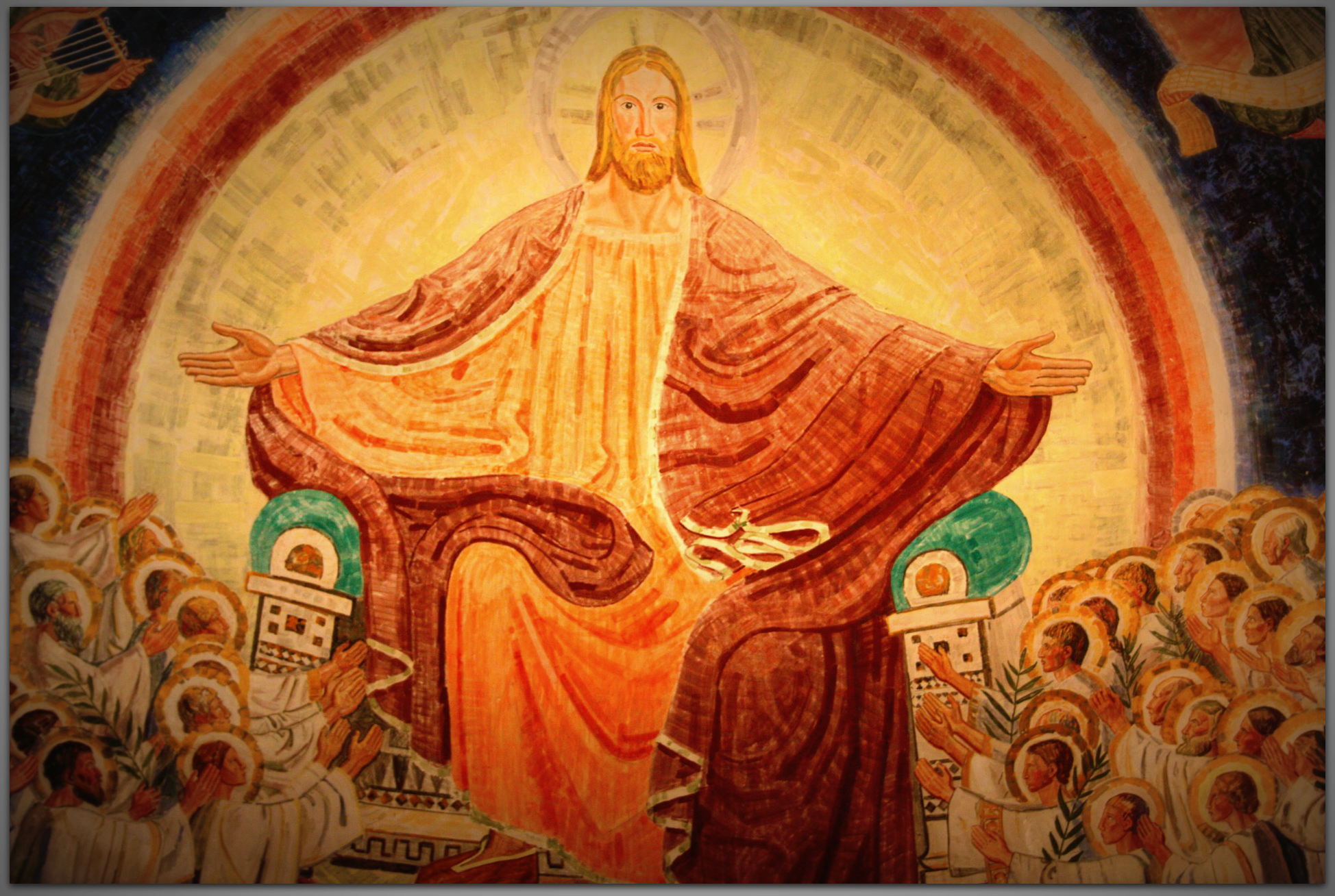 Following John’s preparatory work, Jesus began his unparalleled task of cutting with perfect precision through the morass of flawed ideas and expectations. The true Messiah of Israel would blend all of the Messianic prophecies in Himself and establish the world-wide kingdom foretold by the prophets’ voices across the centuries. And it was the masterful work of the Son of God which brought such a kingdom into existence by His teaching and His death. In our next series, we shall see how He accomplished this task by beginning with the preaching He did across Israel as seen in the example of one of His inimitable lessons as recorded for us in the Sermon on the Mount. When one reads the Sermon on the Mount, one is seeing the voice of Heaven’s wisdom in its first stage of preparing Israel for her Messiah and the golden age of the kingdom that would last till the end of time.
Now, with an understanding of the hearts and minds of the Jewish listeners, read about The Beattitudes from the standpoint of a Messiah who must prepare the hearts of His hearers for a very different kingdom from the one they’d looked to find.
Previous post – “Israel’s Expectations of the Messiah and His Kingdom”
Read the 5-part series: The Context of the Sermon on the Mount.
Sources Cited
Heinemann, Joseph. “Messiah of Ephraim and the Premature Exodus of the Tribe of Ephraim.” Harvard Theological Review 68, no. 1 (January 1, 1975): 1–15.
Jackson-McCabe, Matt. “The Messiah Jesus in the Mythic World of James.” Journal of Biblical Literature 122, no. 4 (December 1, 2003): 701–30.
Lenski, R. C. H. The Interpretation’s of St. Luke’s Gospel. First Edition. Minneapolis, Minnesota: Ausburg Publishing Co., 1961.
Liver, Jacob. “The Doctrine of the Two Messiahs in Sectarian Literature in the Time of the Second Commonwealth.” Harvard Theological Review 52, no. 3 (July 1, 1959): 149–86.
Marcus, Joel. “Mark 14:61 : ‘Are You the Messiah-Son-of-God?.’” Novum Testamentum 31, no. 2 (April 1, 1989): 125–41.
Rosenberg, Roy A. “The Slain Messiah in the Old Testament.” Zeitschrift Für Die Alttestamentliche Wissenschaft 99, no. 2 (January 1, 1987): 259–61.
Royds, Thomas Fletcher. “Jesus the Messiah.” Modern Churchman 23, no. 3 (June 1, 1933): 128–34.
Ruud, Steve. “Timeline, Maps, Chronology, Sermons of Judges: Gideon 1191 – 1144 BC.” Accessed August 24, 2014. http://www.bible.ca/archeology/bible-archeology-maps-conquest-timeline-chronology-judges-gideon-ishmaelites-midianites-1191-1144bc.htm.
Story, Cullen I K. “What Kind of Messiah Did the Jews Expect?” Bibliotheca Sacra 105, no. 417 (January 1, 1948): 102–14.[sgmb id=”1″]